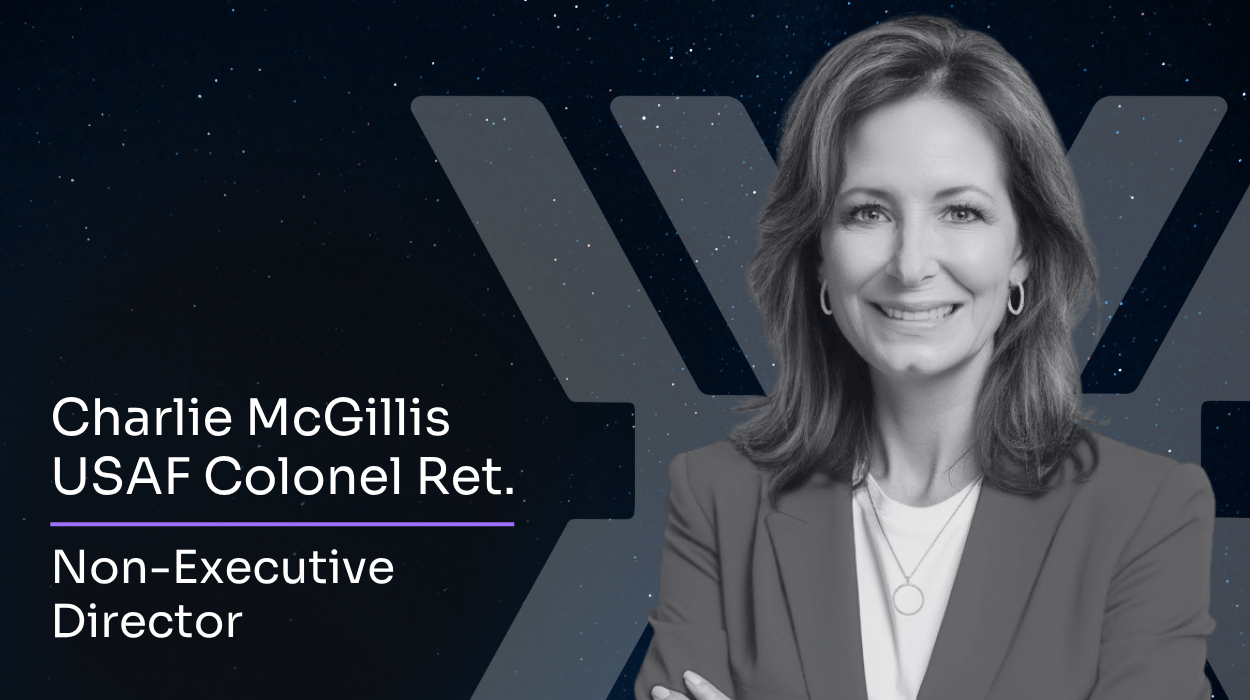
Zendir has appointed Retired Colonel Charlie McGillis to its board of directors as a non-executive director, strengthening its commitment to advancing how satellite operators train for an increasingly complex and contested space environment.
Space ops is becoming increasingly complex, making first-hand Defense experience mission-critical
With satellite constellations expanding and orbital environments becoming increasingly congested and contested, both defence and commercial operators are seeking new ways to train teams to manage complex missions.
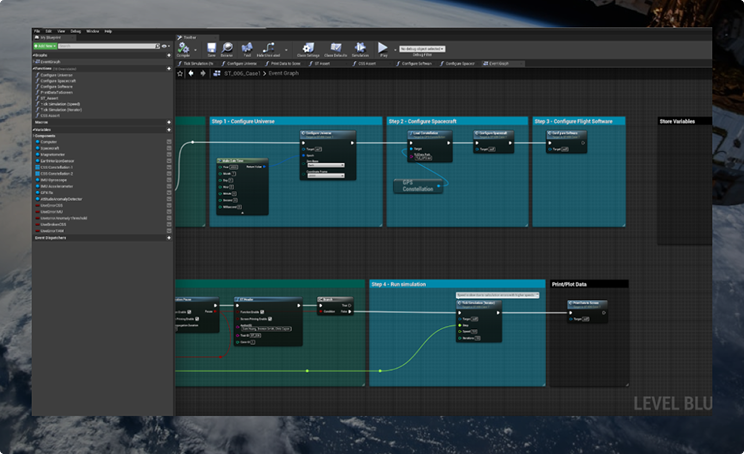
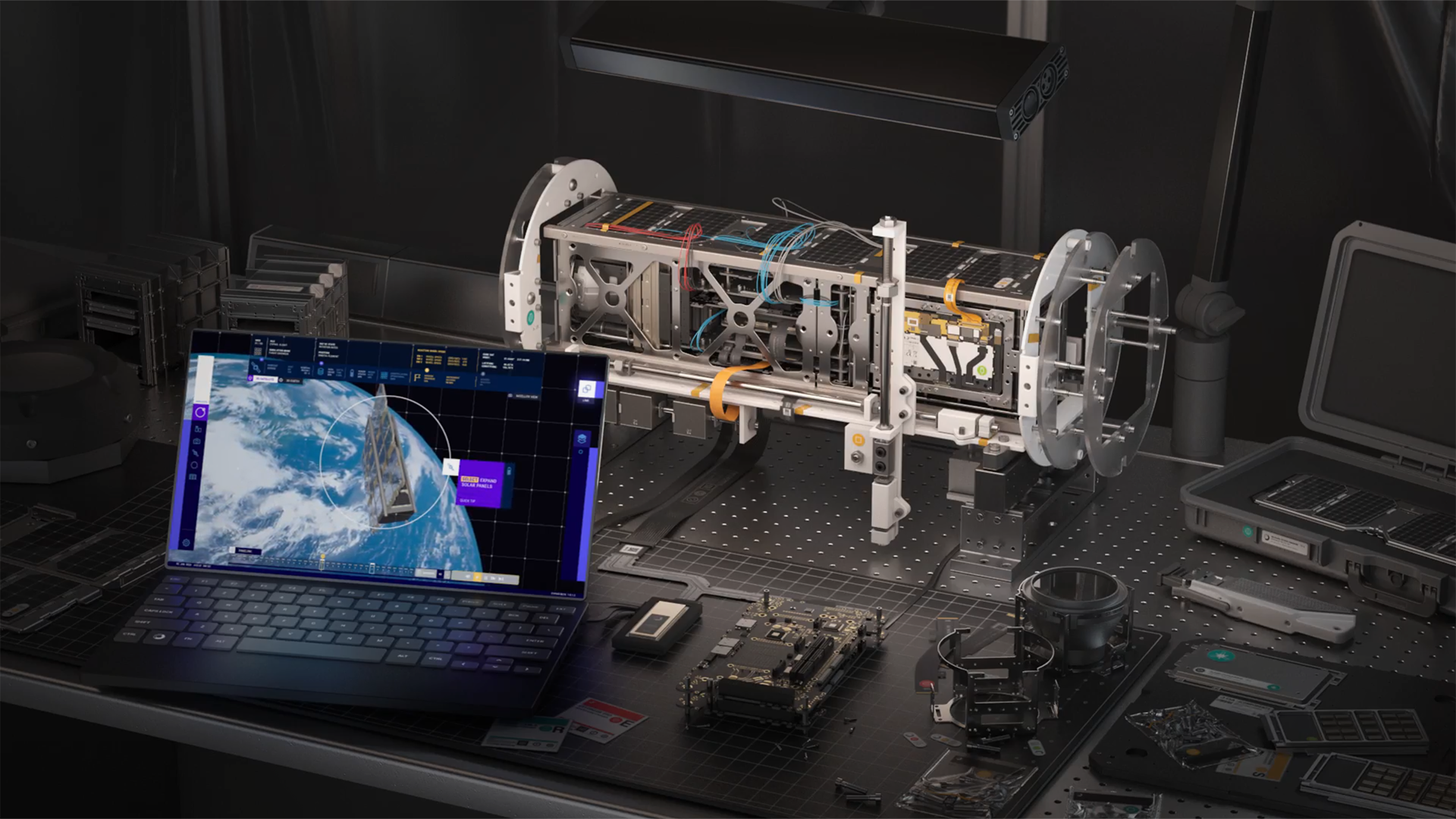
Zendir addresses this challenge through live, virtual and constructive (LVC) simulation environments that replicate spacecraft behaviour inside high-fidelity digital twins. The platform enables mission teams to rehearse operations, test decision-making and prepare for anomalies before executing them in orbit.
With a career spanning significant missions in the U.S. Air Force and executive roles in the aerospace technology sector, Charlie has worked across space operations, special operations, and supply-chain resilience and brings deep operational and strategic experience into our governance at a critical moment for the industry.
As a non-executive director, Charlie will support Zendir’s mission and strategic direction to develop training environments designed specifically for satellite operators that mimic real space conditions, mirror orbital mechanics and match satellite systems with absolute precision.
To explore these themes further, we sat down with Charlie to discuss why she joined our team, the challenges facing the space sector, and what tools operators need to advance their performance.
Q&A with Charlie McGillis
Why work with Zendir?
Zendir has built something rare – software that truly digitizes a spacecraft down to the component level, enabling dynamic simulation and training that mirrors real-world orbital operations. I first encountered Zendir at AMOS while serving as VP of BD at Slingshot Aerospace. Even then, it was evident they weren’t simply building another orbital mechanics software program – they were capturing the full behavior of spacecraft systems. Orbital dynamics were a given; their value lay in enabling mission-ready operators to visualize, test,
and train with realistic, interactive precision.
What caught your attention about their business?
What impressed me was Zendir’s approach to turning system-level complexity into something usable, teachable, and testable. Many companies model space operations; Zendir models decision-making in space. Their capability to link component-level physics to mission outcomes unlocks new potential for education, training, and certification. I didn’t view them as a competitor, but a partner – a company building the connective tissue that enables others to train, plan, and operate smarter.
Expertise or experience most helpful for Zendir’s strategy
My experience spans defense space operations, supply-chain risk mitigation, and integrating innovation into mission-critical systems. I’ve long advocated for live, virtual, and constructive (LVC) training environments that build cross-domain trust and provide real-time performance feedback. The frameworks I helped support at US Red and Green Flag exercises, as well as participating in many Tier 1 and below exercises, can directly inform how Zendir shapes LVC for space – where Guardians can practice their TTPs, analyze performance, and hone decision cycles in a digitally fused environment.
In which markets or sectors do you believe Zendir can deliver impact?
-
U.S. Space Force and allied militaries developing next-generation space training and simulation environments
- Commercial satellite operators seeking standardized certification, training, and operations protocols
-
Joint force components that require visualization of how space effects impact terrestrial and cyber operations
What friction points and risks do those sectors face in the next 3-6 years?
-
Training gap: Guardians and commercial operators often rely on legacy instruction that doesn’t scale with the pace of space operations.
-
Operational risk: No standardized “driver’s license” or certification for satellite operators despite exponential traffic growth in LEO.
-
Domain awareness: Limited shared understanding of space effects across the joint force.
-
Policy lag: Regulation, coordination, and interoperability frameworks are trailing technology advances.
Why Zendir is well-positioned to address these risks?
Zendir’s technology turns those challenges into advantages. Their immersive, “game-like” environment aligns naturally with the modern operator generation – especially Guardians already comfortable in simulation-driven training. Their platform scales across scenarios, allowing experimentation, constructive feedback, and joint integration. Zendir’s founding team has flight-heritage credibility, having launched satellites that maneuver collaboratively – the kind of hands-on experience needed to replicate realistic space behaviors for training and certification.
What are your recommendations for defense leaders?
-
Technological: Prioritize LVC integration across training domains. Move beyond single-system simulators toward federated, data-driven environments that mirror operational tempo.
-
Human: Shift from rote procedural training toward mission-based critical thinking. Empower Guardians to adapt, innovate, and learn through immersive, iterative feedback.
What are the gaps defense must address?
Defense has under-invested in operator-level digital training environments. While hardware and systems excel, the human training systems lag by a generation. The gap is cultural as much as technological – guardians and commanders must see virtual training as operationally essential, not supplemental.
Why does global defense needs global innovators?
Space is inherently international. Limiting procurement or engagement to local incumbents isolates innovation at a time when agility and collaboration define effectiveness. By expanding their purview to global innovators like Zendir, defense leaders gain access to fresh perspectives, faster iteration cycles, and technology born from operational experience instead of committee consensus.
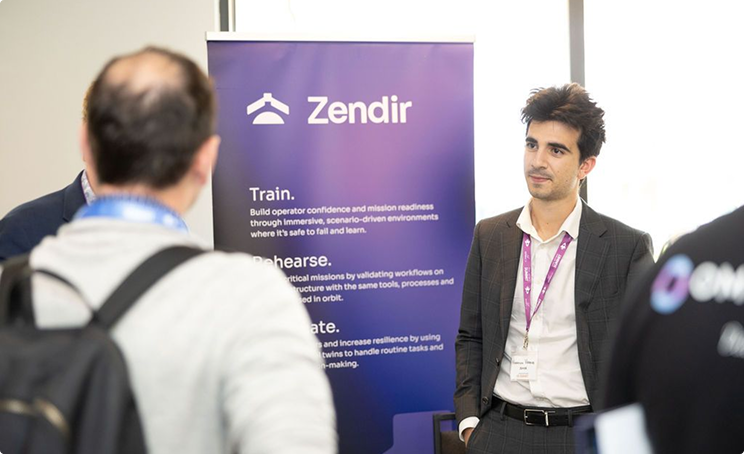
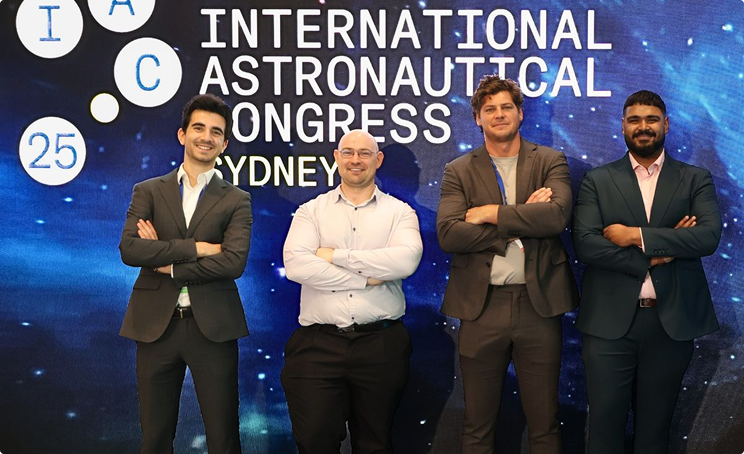
Want to hear more from Charlie? Look out for Zendir at the next conference and you might catch her in person.
Want to discuss how Zendir could support your LVC objectives? Get in touch with our team today.





.png)


.png)